Disconnected sessions
Chat and agent work often disappears into separate tools and threads. Mythica focuses on preserving context and provenance across long-running work.
Mythica is a pre-alpha AI infrastructure project focused on making AI-agent work observable, measurable, and governable.
It explores how humans, tools, and AI agents can preserve memory, track evidence, evaluate behavior, and make governed decisions without treating agent output as automatic truth, approval, or completion.
Modern AI work spreads across chat sessions, coding agents, project folders, documents, terminal logs, model outputs, and human decisions. Without a system for provenance and governance, useful context is lost, evidence becomes hard to verify, and agent outputs can be mistaken for completed or approved work.
Humans, tools, scripts, and AI agents create outputs.
Artifacts, traces, logs, claims, and files are captured.
Where information came from and how it moved is preserved.
Behavior is compared for quality, drift, and regression.
Evidence is reviewed within defined authority boundaries.
Humans retain authority over approval, truth, and next action.
Mythica exists because useful AI-agent work still needs memory, evidence, evaluation, governance, and human authority. The goal is not to replace judgment, but to make AI-assisted work easier to understand, review, and continue.
Chat and agent work often disappears into separate tools and threads. Mythica focuses on preserving context and provenance across long-running work.
Agent outputs can sound complete even when supporting evidence is missing. Mythica separates claims, artifacts, validation posture, and approval state.
Work can drift across prompts, agents, branches, and repositories. Mythica is designed to track lineage, current work, and decision boundaries.
AI systems need more than demos. Mythica emphasizes evaluation, regression detection, evidence completeness, and reviewable outcomes.
Mythica did not begin as a governance project. It evolved through practical infrastructure, creative AI, local compute, and eventually the need to manage evidence and authority across AI-assisted work.
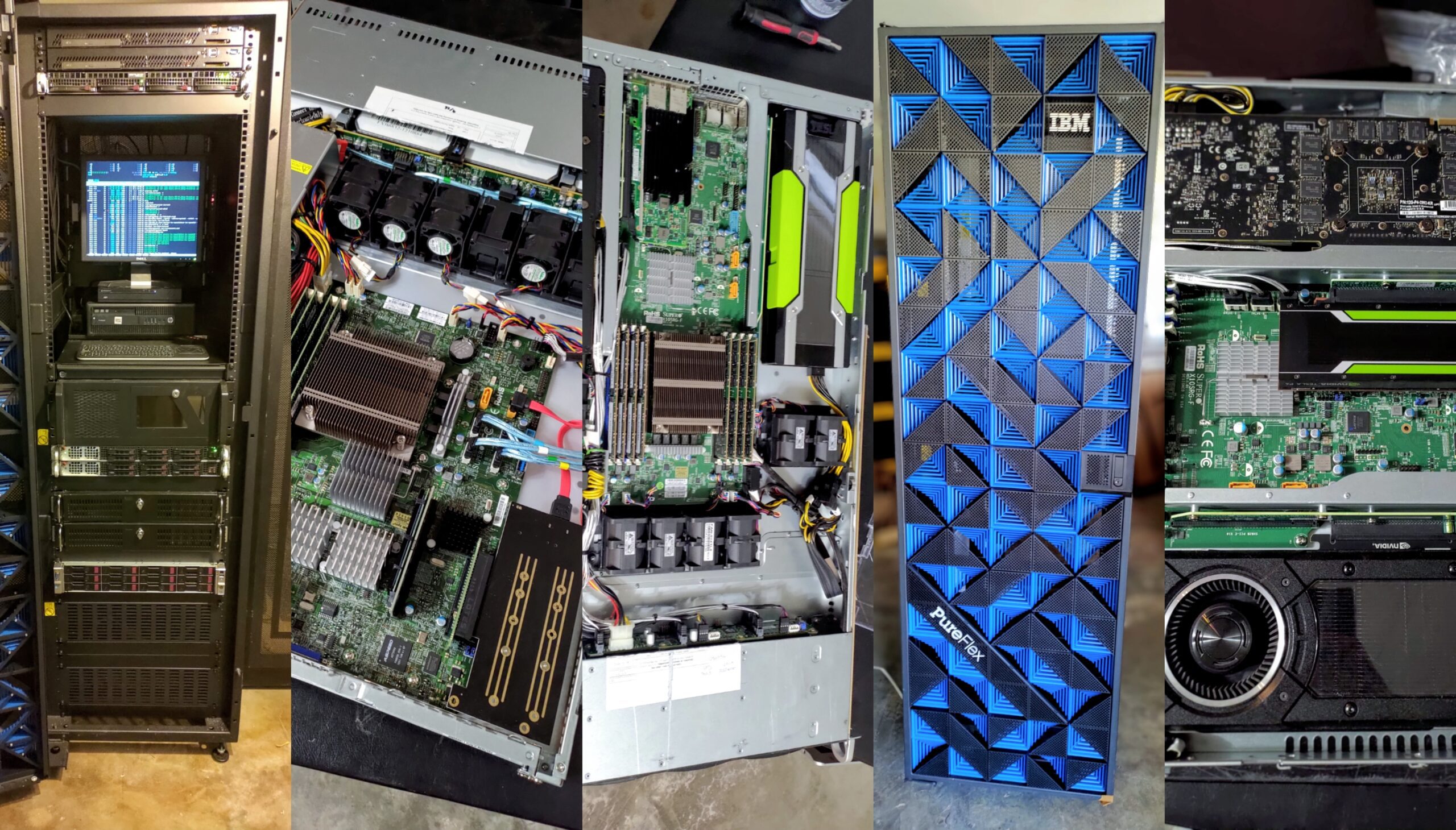
Before Mythica became an AI project, the foundation was practical infrastructure: offsite backups, local servers, edge systems, secure data handling, remote access, and systems designed to protect information outside of fragile single points of failure. This shaped Mythica’s bias toward local-first systems, redundancy, auditability, operational ownership, and human control.
Mythica later became a creative AI and visualization project exploring synthetic imagery, visual identity, 3D scenes, and machine-generated artifacts. This phase introduced questions about how generated artifacts should be organized, preserved, interpreted, and connected back to human intent.
The project expanded into GPU-backed local compute, model experimentation, containerized workloads, CUDA/PyTorch pipelines, open-source models, and practical deployment constraints. Mythica became production-realistic AI systems research rather than only creative experimentation.
Current work focuses on local-first infrastructure for AI-agent memory, evidence, evaluation, authority boundaries, and operator-controlled workflows. The current Mythica Ecosystem grew from the need to manage AI-assisted work across sessions, agents, tools, repositories, artifacts, and human decisions.
Each component has a specific role. The purpose is to keep memory, evaluation, governance, and operator control from collapsing into a single unsafe automation layer.
The memory and provenance layer for ingesting sessions, artifacts, project records, and execution history into structured, reviewable context.
The governance and authority layer for keeping runtime evidence, validation posture, approval state, and durable decisions separate.
The planned operator workspace for viewing context, preparing handoffs, delegating work, reviewing artifacts, and coordinating agent workflows.
A proposed future layer for comparing agent behavior, detecting regressions, and producing reviewable evaluation reports.
A bounded research and evaluation lab that informs Mythica’s approach to reproducible experiments, structured outputs, evidence posture, and regression-style review.
The creative AI, visualization, backup, edge infrastructure, GPU compute, and experimentation history that shaped the current ecosystem.
The project is designed around practical trust. It does not assume that agent output, logs, traces, or artifacts should automatically become truth.
Mythica is pre-alpha. The work is real, but the project is intentionally honest about maturity. The current goal is to build the operating model, contracts, prototypes, and evidence practices before broad automation.
Prototype direction for session ingest, provenance, source inventories, context graphs, and cross-session project memory.
Prototype governance contracts for evidence boundaries, review state, packet-bounded work, and authority movement.
Design-stage operator workspace for current work, context packages, delegation, artifacts, review, and coordination.
Roadmap layer for agent comparison, prompt and handoff evaluation, regression detection, and evidence completeness reports.
Active bounded research that supports Mythica’s evidence, evaluation, reproducibility, and review discipline.
Preserved history from offsite backups, edge systems, creative AI, visualization, local GPU compute, and AI experimentation.
Clear limits are part of the project. Mythica should be understandable without implying it is more mature than it is.
Mythica is currently used to explore AI-agent workflows, project memory, evidence tracking, evaluation, and local-first infrastructure. Future users could include people and teams who need AI work to remain reviewable over time.
Mythica currently functions as a research and infrastructure project for exploring agent workflows, context preservation, evidence boundaries, and governed AI-assisted work.
Potential users could include individuals using AI agents across long-running projects, software teams coordinating coding agents, small businesses that need local-first AI memory, civic projects that require auditability, and researchers studying agent behavior.